

It’s easy to let your Annual Wellness Visit slide. You feel fine, the calendar fills up, and it’s one more appointment to schedule. But that quiet decision to skip it — or push it to “next month” for the third time — is exactly how small, catchable changes in your health end up going unnoticed for a full year.
The Short Version: What an Annual Wellness Visit Is
Your Annual Wellness Visit is a yearly, Medicare-covered check-in focused on prevention and health planning — not a hands-on physical exam. It’s less about listening to your heart and lungs and more about stepping back once a year to look at the bigger picture of your health.
For the full breakdown of what’s included, how it’s different from a physical, and what to expect at your appointment, see our detailed guide, “What Is an Annual Wellness Visit and Why You Shouldn’t Skip It.”
What Happens When You Skip It
There are a handful of reasons people put off their Annual Wellness Visit, and most of them make sense on the surface. You feel fine, so it doesn’t seem urgent. It’s easy to forget when nothing’s wrong. Some people assume it’s the same as a physical they’ve already had. And some simply don’t realize it doesn’t cost them anything.
Here’s the problem with skipping it: some of the most common health changes after 65 don’t come with obvious symptoms. Blood pressure can climb gradually with no warning signs at all. Blood sugar can drift upward for months before it’s noticeable day to day. Early changes in memory, mood, or mobility are often subtle enough that they’re easy to write off as “just getting older” — until a year has gone by and the change is more pronounced than it needed to be.
None of these are dramatic, obvious problems in the moment. That’s exactly what makes them easy to miss without a dedicated check-in built around looking for them. A regular visit for a specific complaint — a cough, a sprained ankle, a refill — isn’t designed to catch a gradual shift in blood pressure or a subtle change in memory. The Annual Wellness Visit exists specifically to step back and look for those quiet shifts before they become bigger problems, which is a different job than treating whatever brought you in that day.
It’s Free — But the Real Value Is What It Catches
Your Annual Wellness Visit is fully covered by Medicare Part B, with no copay or deductible. But the real reason to go isn’t that it’s free — it’s what it catches. Because this visit happens every year, it builds a running record of your blood pressure, weight, cognitive screening results, and overall health trends over time. A single visit can only tell you where you stand today. A yearly visit can tell you whether something is changing — and changing direction is often the first sign something needs attention, long before it becomes a symptom you’d notice on your own.
Bring Someone Who Knows You Well
One of the most overlooked parts of the Annual Wellness Visit is who you bring with you. An adult child, spouse, or regular caregiver often notices small changes — a bit more forgetfulness, a shift in mood, a little less steadiness on the stairs — well before the patient does, simply because they see you more consistently over time and aren’t the one experiencing the change from the inside.
Before your visit, it’s worth asking a family member if they’ve noticed anything different over the past year, even something that seems minor, and jotting it down to bring up during the health risk assessment. Has it taken you longer to find the right word in conversation? Have you seemed more withdrawn, or less interested in things you used to enjoy? Has anyone noticed you holding the railing on stairs you used to take without a second thought? None of these observations need to be alarming to be worth mentioning — they’re exactly the kind of detail a provider can only act on if someone brings it up. That kind of outside perspective can be exactly the detail that turns a routine check-in into an early catch.
The Annual Wellness Visit Is Part of a Bigger Picture
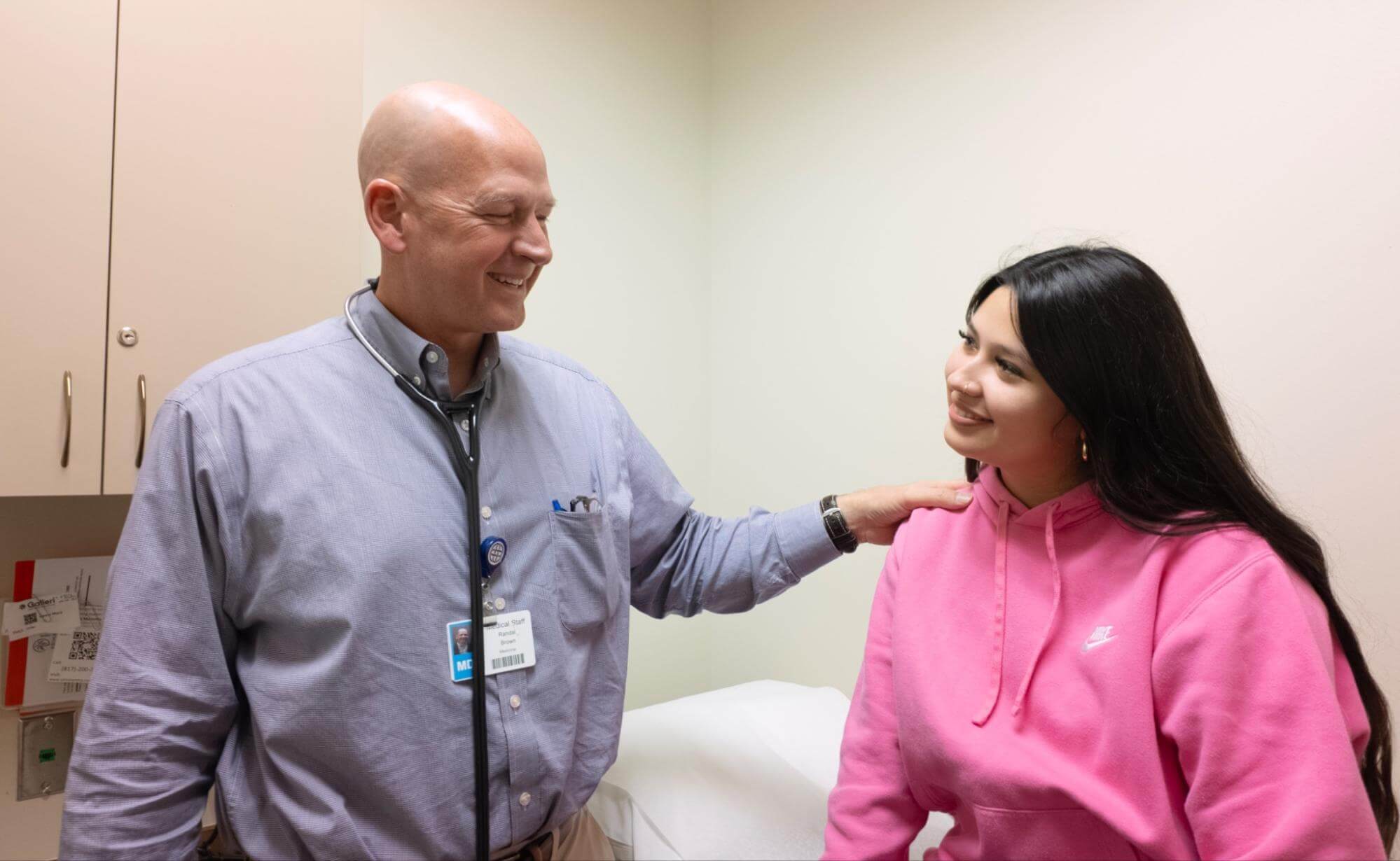
It’s worth being clear about what this visit is — and isn’t. The Annual Wellness Visit is not meant to replace regular contact with your care team throughout the year. At Palm Primary Care, we want to see our patients roughly every quarter, not just once a year, because ongoing conditions need ongoing attention, not a single annual check-in.
What makes the Annual Wellness Visit valuable is that it happens on a predictable yearly cadence with the same provider, which means it builds a personal health baseline that your other, more frequent visits and follow-ups build on throughout the year. Think of it less as a once-a-year substitute for care and more as the yearly benchmark that makes the rest of your care more useful — your provider can look back at where you were a year ago and see the fuller trend, not just a single snapshot.
Schedule Your Annual Wellness Visit with Palm Primary Care
If it’s been a while since your last Annual Wellness Visit — or you’ve never scheduled one — now’s a good time. Schedule your Annual Wellness Visit with Palm Primary Care, and if you’d like to know exactly what to expect first, our detailed guide covers what’s included and how to prepare.

Frequently Asked Questions
Can a family member or caregiver join my visit?
Yes, and it’s genuinely encouraged. Family members and caregivers often notice changes in memory, mood, or mobility that are helpful to share during the health risk assessment portion of the visit.
I feel completely healthy — do I still need to go?
Yes. Many of the changes an Annual Wellness Visit is designed to catch — like rising blood pressure or early cognitive changes — don’t come with noticeable symptoms at first. Feeling fine now is exactly why the yearly check-in matters.
How is this different from my regular check-ins with my care team?
Your regular visits address specific concerns and ongoing conditions throughout the year. The Annual Wellness Visit is a once-a-year, Medicare-specific check-in focused on prevention and building a health baseline — it’s a complement to your regular care, not a replacement for it.







Leave a Reply